

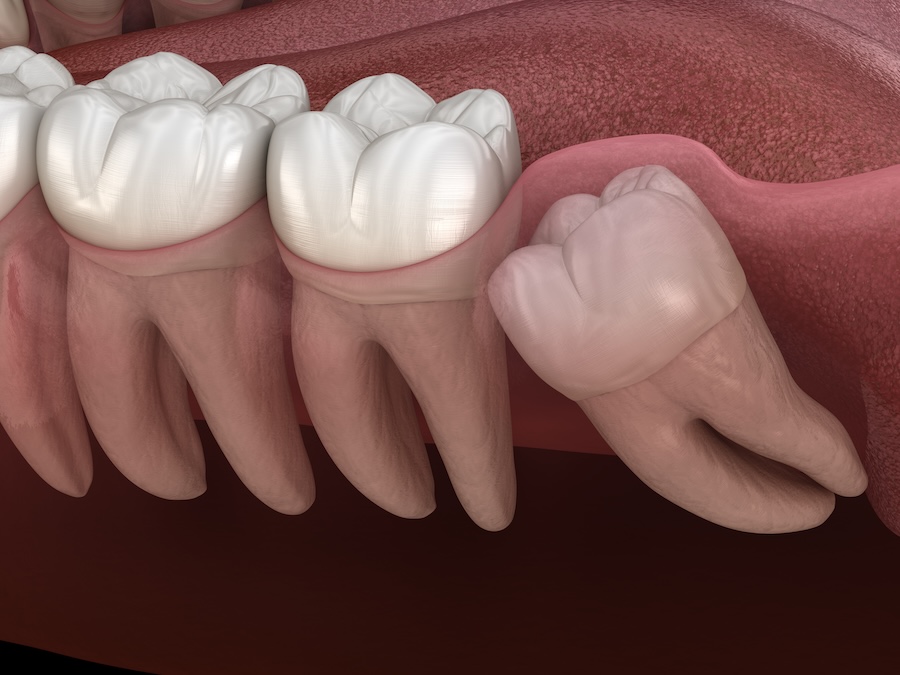
Wisdom teeth have a reputation — and not always a good one. For some people, they erupt without much trouble. For many others, they crowd in at awkward angles, stay partially trapped under the gums, or simply don’t have enough room to come in properly. When that happens, discomfort, infection, or damage to nearby teeth can follow.
At Dental Garden in Richmond, TX, Dr. Reza Memar evaluates wisdom teeth with both current symptoms and long-term health in mind. Removal isn’t automatic — but when signs point toward future problems, addressing them early can prevent more complicated issues later.
Here’s how to tell when it may be time to schedule wisdom teeth removal — and what recovery typically involves.
Signs It May Be Time for Wisdom Teeth Removal
Not all wisdom teeth cause dramatic pain. In fact, some of the most common warning signs start off mild.
Jaw Pain or Pressure in the Back of the Mouth
A steady ache or feeling of pressure near your back molars can indicate that wisdom teeth are pushing against neighboring teeth. This pressure may worsen when chewing or opening your mouth wide.
Even if the discomfort feels manageable, persistent pressure can affect the surrounding teeth over time.
Swollen, Tender, or Bleeding Gums
Partially erupted wisdom teeth often leave a small flap of gum tissue that traps food and bacteria. This area can become inflamed, swollen, and difficult to clean properly.
If you notice recurring soreness in the same back corner of your mouth, it’s worth having it evaluated.
Frequent Infections (Pericoronitis)
When bacteria collect around a partially erupted wisdom tooth, infection can develop. You might notice bad breath, a foul taste, or difficulty opening your mouth fully.
If this keeps happening, removal is often recommended to eliminate the source of irritation.
Crowding or Shifting Teeth
While wisdom teeth aren’t always the sole cause of crowding, they can contribute to added pressure in an already tight arch. Patients who’ve had braces sometimes choose removal to reduce the risk of shifting.
Digital imaging helps determine whether the position of your wisdom teeth is affecting alignment.
Cysts or Hidden Problems on X-Rays
Sometimes the issue isn’t visible in the mirror. Impacted wisdom teeth can form cysts or cause changes in surrounding bone. Routine X-rays often reveal concerns before symptoms even appear.
Cavities in Hard-to-Reach Areas
Wisdom teeth sit far back in the mouth, making them difficult to brush and floss thoroughly. Decay in a wisdom tooth — or in the molar next to it — is a common reason for removal.
What Happens During Wisdom Teeth Removal?
Before scheduling, Dr. Memar reviews digital X-rays to determine the position of each wisdom tooth. Some are fully erupted and easier to remove. Others may be impacted under the gum or angled toward neighboring teeth.
The procedure is performed under local anesthesia, and sedation options may be available depending on your comfort level and the complexity of the case.
If a tooth is impacted, a small opening is made in the gum to access it. In many cases, the tooth is gently sectioned into smaller pieces to minimize stress on surrounding bone. The area is then cleaned and, if needed, sutured to support healing.
Most patients complete treatment in a single visit.
What Recovery Typically Looks Like
Recovery is usually straightforward, especially when post-operative instructions are followed carefully.
The First 24 Hours
You can expect some swelling and mild bleeding during the first day. Ice packs applied to the outside of the face can help reduce swelling. Rest is important, and sticking to soft foods — such as yogurt, soups, and smoothies (without a straw) — supports healing.
Avoiding straws and vigorous rinsing helps protect the blood clot that forms in the extraction site, which is essential for proper healing.
Days 2–3
Swelling may peak around the second day before gradually improving. Tenderness is normal, but most patients find discomfort manageable with prescribed or recommended medications.
Gentle saltwater rinses may be recommended to keep the area clean.
Days 4–7
By the end of the first week, most swelling and soreness have significantly improved. Stitches, if placed, may dissolve on their own or be removed at a follow-up visit.
Full tissue healing continues over the next several weeks, but daily activities typically resume much sooner.
Why Timing Matters
Wisdom teeth are often easier to remove before they cause extensive infection, damage, or severe crowding. In younger patients, the roots may not be fully developed, which can make extraction more predictable and recovery smoother.
Waiting until pain becomes intense can lead to more inflammation and longer healing times. Even if you’re not currently uncomfortable, monitoring the position of wisdom teeth helps you plan ahead.
Wisdom Teeth Removal in Richmond, TX at Dental Garden
If you’re experiencing jaw pressure, gum swelling, recurring irritation, or have been told your wisdom teeth are impacted, it may be time for an evaluation.
At Dental Garden in Richmond, TX, Dr. Reza Memar carefully assesses whether wisdom teeth removal is necessary and walks you through the process step by step. Schedule a consultation to review your symptoms, imaging, and treatment options — and move forward with confidence about your recovery and long-term oral health.


Visit Dental Garden
We can see you as soon as today!