
For some people, a dental cleaning is easy to get through. For others, the scraping, vibration, cold water, or polishing paste makes the visit something they would rather put off. Sensitive teeth, tender gums, braces, implants, or a history of gum treatment can make the usual routine feel even less comfortable.
At Dental Garden, we use Guided Biofilm Therapy, often called GBT, to make professional cleanings more focused and easier to tolerate. Instead of starting with widespread scraping, we first make plaque biofilm visible. That shows us exactly where buildup is sitting before we begin cleaning.
Dr. Reza Memar is a certified GBT provider in Richmond, TX. Our team uses the full protocol to assess the gums, show patients where plaque is collecting, remove biofilm with AIRFLOW®, and then use ultrasonic or hand instruments only where harder tartar remains.
What Is Dental Biofilm?
Dental biofilm is the soft, sticky layer of bacteria that forms on the teeth every day. Most people know it as plaque, but biofilm is a more accurate name because it is made up of organized groups of bacteria living together on the tooth surface.
It tends to collect near the gumline, between teeth, behind the lower front teeth, and around crowns, bridges, braces, and implants. Even patients who brush and floss carefully usually have a few areas that are harder to reach.
When biofilm sits in place, the gums can become red, swollen, or prone to bleeding. It can also contribute to cavities, bad breath, and periodontal disease. Removing it regularly is one of the main goals of both home care and professional cleanings.
Why We Make Biofilm Visible First
Biofilm is usually hard to see until it becomes thick. A tooth may look clean in the mirror while a thin layer remains along the gumline or behind the teeth.
During GBT, we apply a disclosing solution that colors the biofilm. This gives us a clear map of where buildup is sitting before we begin cleaning. It also lets you see the areas that may be getting missed at home.
That makes our home-care advice much more specific. We may show you one section near a crown, a strip along the gumline, or a spot behind a fixed retainer that needs more attention. The color is removed during the cleaning, so you do not leave the office with stained teeth.
How a Traditional Dental Cleaning Usually Works
A traditional cleaning often includes hand scaling, ultrasonic instrumentation, polishing paste, and flossing. The hygienist removes tartar and plaque, then polishes the teeth to smooth the surface and lift some external stains.
These tools are still useful and sometimes necessary. Hard tartar cannot be removed with air polishing alone, and certain areas may need a hand instrument or ultrasonic scaler.
The main difference with GBT is the order of treatment. We remove the visible biofilm first, then focus our instruments on the deposits that remain. This often means less broad scraping across surfaces that do not need it.
How Guided Biofilm Therapy Works
A GBT visit begins with an examination of the teeth, gums, restorations, and any implants or orthodontic appliances. We may measure gum pockets and check for bleeding, inflammation, decay, or other concerns before cleaning begins.
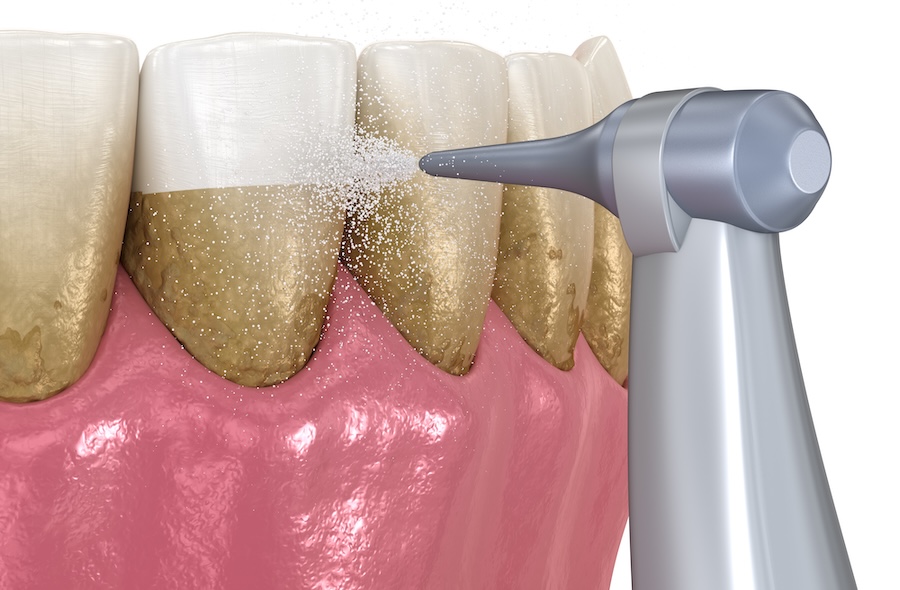
Next, we disclose the biofilm so both you and our team can see it. AIRFLOW® then uses a controlled stream of warm water, air, and fine erythritol powder to remove the colored biofilm and many common surface stains.
If tartar remains, we use PIEZON® ultrasonic instrumentation or hand instruments where needed. PERIOFLOW® may also be used in selected areas below the gumline or around implants, depending on the condition of the tissue.
What AIRFLOW® Feels Like
AIRFLOW® feels different from scraping or polishing with a rubber cup. Most patients describe warm water and a light powder spray moving across the teeth and gumline.
There is still water, suction, and some noise, but the contact is usually lighter than traditional polishing and prolonged scaling. For patients who are sensitive to cold water or do not like heavy instrument pressure, this can make the appointment feel much easier.
The powder is very fine and is designed for biofilm removal on appropriate tooth and restoration surfaces. We still check the mouth first and adjust the technique around sensitive areas, dental work, and gum conditions.
Why Patients Often Prefer the GBT Experience
Guided Biofilm Therapy cleans the teeth thoroughly while changing how much of the appointment feels. Since we can see the biofilm first, we do not have to search for buildup by working over every surface in the same way.
AIRFLOW® removes the soft plaque layer and many external stains before we begin scaling. Once that material is gone, we can see where hard tartar remains and focus the ultrasonic or hand instruments there.
Many patients notice less scraping and less polishing paste. They also appreciate being shown exactly where plaque is collecting instead of hearing a general reminder to brush and floss better.
Warm Water Can Help With Sensitive Teeth
Cold water can be uncomfortable for patients with gum recession, worn enamel, exposed root surfaces, or naturally sensitive teeth. One cold spot can make the rest of the appointment feel harder than it needs to.
AIRFLOW® uses warmed water, which many patients find more comfortable. It does not guarantee that every sensitive tooth will feel nothing, but it can reduce the sharp temperature change that often causes discomfort.
If one area remains especially sensitive, we can adjust the cleaning and look at why that tooth is reacting. Fluoride, desensitizing products, gum care, or treatment for a worn or damaged area may also help.
Surface Stains Can Come Off During the Cleaning
Coffee, tea, tobacco, and strongly colored foods can leave stains on the outside of the enamel. AIRFLOW® can remove many of these surface stains while it clears the biofilm.
Teeth may look cleaner and brighter afterward, although GBT is not the same as whitening. Stains inside the enamel or discoloration from an old injury will not come off during a routine cleaning.
If you are interested in changing the natural shade of your teeth, Dr. Memar can explain whether whitening or another cosmetic option would make more sense after the cleaning.
GBT Can Be Helpful Around Braces and Retainers
Brackets, wires, and fixed retainers create small spaces where plaque can settle. A toothbrush may clean the front of a bracket while missing the narrow edge near the gumline.
The disclosing step shows where those missed areas are. AIRFLOW® can then reach around orthodontic hardware without requiring a polishing cup to press against every bracket.
Hard tartar still needs to be removed with an ultrasonic or hand instrument. GBT does not replace careful brushing around braces, but it gives us a more direct way to clean and coach patients on the areas they are missing.
Cleaning Around Implants Needs a Careful Approach
Dental implants cannot develop cavities, but the gums and bone around them can still become inflamed. Plaque around an implant may lead to bleeding, swelling, deeper pockets, or bone loss if it is not controlled.
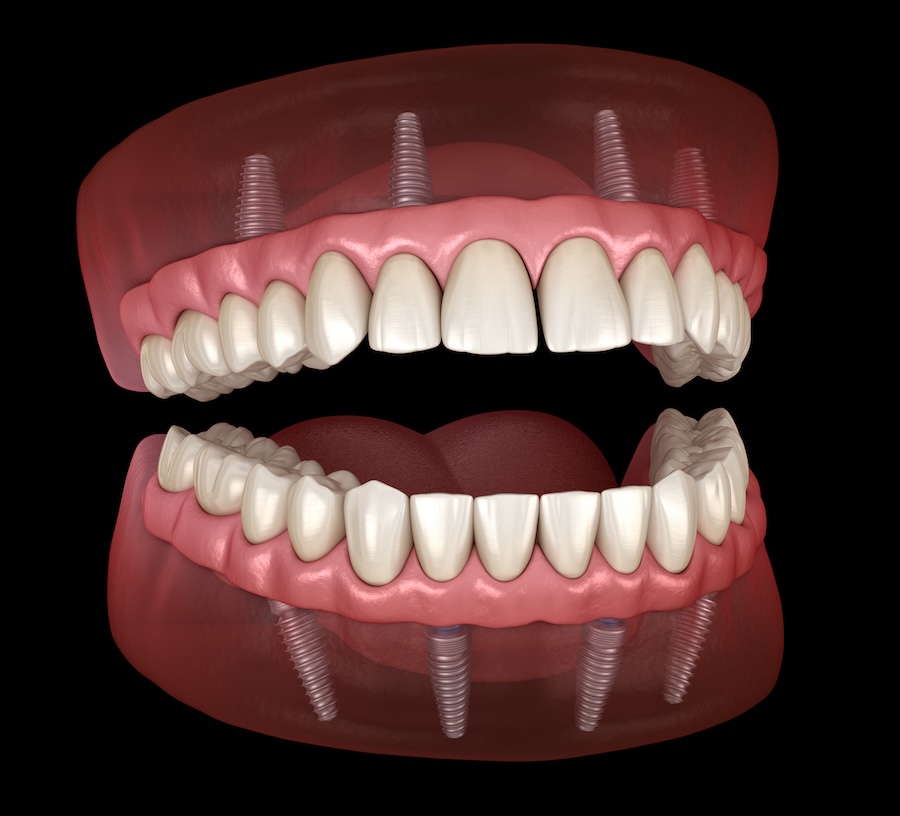
GBT gives us tools designed for biofilm removal around implants and implant-supported restorations. We can clean soft deposits while also checking the tissue, pocket depths, bite, and stability of the restoration.
Air polishing will not correct a loose crown, trapped cement, or active peri-implant disease. If we find one of those concerns, Dr. Memar will explain the next step rather than treating the visit as stain removal alone.
GBT Can Be Part of Gum Disease Care
GBT can be used during routine preventive visits and periodontal maintenance. AIRFLOW® and PERIOFLOW® help remove biofilm around the teeth, beneath the gumline in appropriate areas, and around implants.
Any remaining tartar can then be removed with PIEZON® or another instrument suited to the area. This lets us keep the cleaning focused while still addressing the deposits that require more traditional instrumentation.
Patients with deeper pockets, bone loss, or active periodontal disease may need scaling and root planing before moving into regular maintenance. Dr. Memar will measure the gums and recommend the level of treatment based on what we find.
GBT Is Not the Same as a Deep Cleaning
A routine GBT appointment is not automatically a substitute for scaling and root planing. Deep cleaning is used when hardened deposits and bacteria have collected below the gumline and periodontal disease is active.
GBT can still be part of that care. We may use AIRFLOW® or PERIOFLOW® to remove biofilm, then use ultrasonic or hand instruments for the deeper tartar.
After active treatment, GBT can also be useful during periodontal maintenance visits. The protocol helps us remove fresh biofilm and keep a close eye on areas that have been treated before.
Who May Notice the Biggest Difference?
GBT may be especially appealing to patients with sensitive teeth, tender gums, braces, fixed retainers, implants, crowns, bridges, or crowded areas that are hard to clean.
Patients who dislike the scraping and cold water of traditional cleanings may also find the appointment more comfortable. Someone with mostly soft plaque and stain may need very little scaling once AIRFLOW® has done its part.
A patient with heavier tartar will still need more ultrasonic or hand instrumentation. We adjust the visit to what is actually present rather than forcing every patient through the same sequence.
What the Appointment Is Like
The visit begins with an examination and the disclosing step. We may show you the colored areas in a mirror so you can see where the biofilm has collected.
During AIRFLOW® treatment, you will feel warm water and a fine powder spray. Suction keeps the water under control, and we pause as needed to check sensitive areas or adjust the angle.
After the biofilm is gone, we remove any remaining tartar and check the teeth again. Fluoride may be recommended when sensitivity or cavity risk is higher.
How GBT Can Improve Home Care
One of the most useful parts of GBT is that it shows us what your routine is missing. Instead of giving the same instructions to everyone, we can point to one or two areas that need a change.
You may need to angle the toothbrush differently near the gumline, add an interdental brush around a bridge, or spend more time behind the lower front teeth. These are small adjustments, but they are easier to follow when you can see the reason for them.
At later visits, disclosing the biofilm again shows whether those areas improved. Patients often find that more motivating than trying to remember a general list of brushing tips.
Guided Biofilm Therapy at Dental Garden in Richmond
At Dental Garden, we use Guided Biofilm Therapy because it gives us a clear, step-by-step way to remove biofilm, address tartar, and make cleanings more comfortable for many patients. The warm-water AIRFLOW® system removes soft plaque and many surface stains, while our instruments are used where harder deposits remain.
Dr. Reza Memar is a certified GBT provider in Richmond, TX. He and our hygiene team can use the protocol for routine preventive care, periodontal maintenance, implant cleaning, and cleaning around orthodontic appliances.
Schedule a visit with Dental Garden if you have sensitive teeth, bleeding gums, dental implants, braces, or a history of uncomfortable cleanings. We can examine your mouth, explain how GBT would fit your care, and help make your next cleaning feel more manageable.
Visit Dental Garden
We can see you as soon as today!