

Some people feel a little uneasy before a dental appointment. Others feel anxious enough that they put off treatment, tense up in the chair, or start worrying days before the visit. If that sounds familiar, sedation dentistry can make getting through dental care feel much more approachable.
At Dental Garden in Richmond, TX, Dr. Reza Memar offers both nitrous oxide and IV sedation. Nitrous oxide works well for patients who want lighter relaxation, while IV sedation can provide a deeper level of calm for longer or more involved treatment. For IV sedation, Dental Garden works with a board-certified anesthesiologist who manages and monitors the sedation throughout the appointment.
Because these options work differently, the best fit depends on your anxiety level, the treatment planned, your health history, and how much support you want during the visit. Once those details are clear, Dr. Memar can explain what each option involves and what you can expect before, during, and after treatment.
What Is Sedation Dentistry?
Sedation dentistry uses medication to help you feel calmer during dental treatment. Depending on the type of sedation, you may stay fully awake and aware or become much more drowsy and remember very little afterward. Either way, the purpose is to make the appointment easier to tolerate while the dental work is completed safely.
For some patients, sedation helps with strong dental anxiety. For others, it can help with a sensitive gag reflex, difficulty sitting through a long appointment, or a past dental experience that still makes treatment feel stressful. In some cases, it can also make it easier to complete more treatment during one visit.
The level of sedation does not have to be the same for every patient. Someone who feels mildly nervous before a filling may need very different support from someone having a longer surgical procedure. That is where the difference between nitrous oxide and IV sedation becomes important.
Nitrous Oxide Is the Lighter Sedation Option
Nitrous oxide, often called laughing gas, is one of the mildest forms of dental sedation. You breathe it through a small mask placed over your nose, and it usually begins working within a few minutes. Most patients stay awake, responsive, and able to communicate throughout the appointment.
The sensation can vary a little from person to person. You may feel lighter, warmer, or less focused on the sounds and activity around you. As the anxiety begins to ease, many patients find it easier to relax their shoulders, jaw, and hands instead of staying tense through the entire visit.
Nitrous oxide has another advantage: it wears off quickly. Once treatment is finished, the gas is stopped and you breathe oxygen for a short period. After that, the effects usually fade relatively fast compared with deeper forms of sedation.
When Nitrous Oxide May Be a Good Fit
Nitrous oxide can work well when you feel nervous but do not need deep sedation. It may be enough for a shorter procedure, a patient who dislikes dental sounds, or someone who wants a little help relaxing without feeling heavily sedated. Since you remain awake, you can still respond and communicate during treatment.
It can be useful for patients who tend to tense up during dental work as well. Once some of that anxiety eases, it may be easier to sit comfortably and let the appointment move along. For many people, that lighter level of relaxation is enough.
However, nitrous oxide may not provide enough support for severe dental anxiety or a longer, more involved procedure. If you know you have struggled through dental treatment in the past, Dr. Memar can talk with you about whether IV sedation would make more sense. The choice should reflect the kind of appointment you are having and how you typically respond in the dental chair.
IV Sedation Provides a Deeper Level of Relaxation
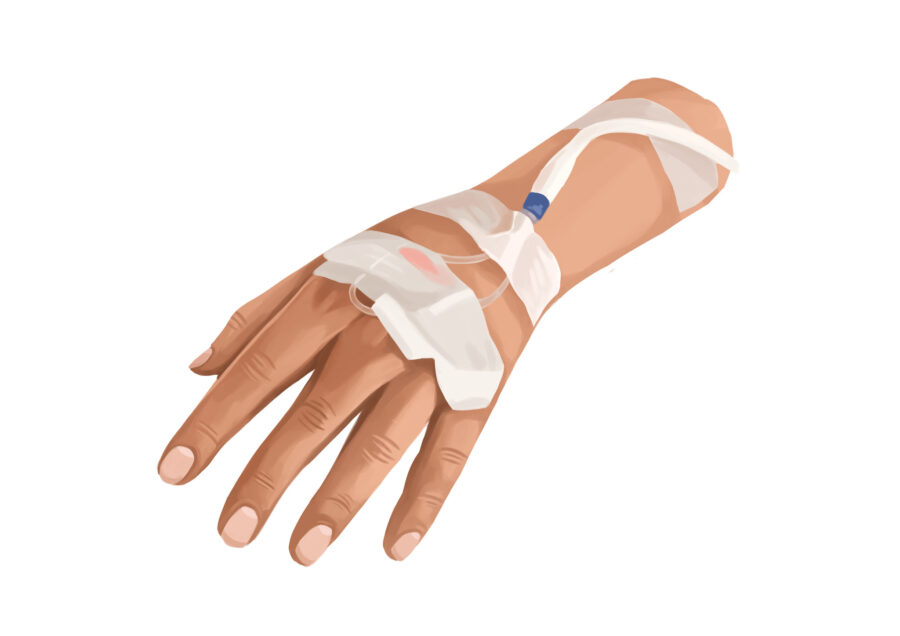
IV sedation is given through a vein, so the medication begins working quickly. Compared with nitrous oxide, it creates a deeper level of sedation and can make you feel very sleepy. Many patients remember little about the procedure afterward.
At Dental Garden, IV sedation is administered and monitored by a board-certified anesthesiologist. Having an anesthesiologist manage the sedation allows Dr. Memar to focus on the dental treatment while the anesthesiologist continuously monitors your response, breathing, and vital signs. That added level of oversight can be especially valuable during longer or more complex procedures.
IV sedation is different from simply feeling mildly relaxed. You may still be able to respond when spoken to, but your awareness of the appointment can be greatly reduced. For patients with strong anxiety, that deeper level of sedation can make treatment feel far less stressful.
When IV Sedation May Make More Sense
IV sedation may be recommended when dental anxiety is strong enough that lighter sedation would probably not be enough. It can also be useful when several procedures are being completed together or when treatment is expected to take a while. In those situations, deeper sedation can make the appointment easier to tolerate from beginning to end.
Some patients also have a very sensitive gag reflex or difficulty staying still for extended periods. When that is part of the concern, IV sedation can help reduce the physical tension that makes treatment harder. Meanwhile, the anesthesiologist can adjust and monitor the sedation throughout the visit.
Recovery takes longer than it does with nitrous oxide. Because the medication remains in your system after the appointment, you will need a responsible adult to drive you home and stay with you as instructed. You should plan on resting for the remainder of the day rather than returning to work, driving, or handling anything that requires full concentration.
Nitrous Oxide vs. IV Sedation
The biggest difference between nitrous oxide and IV sedation is how deeply relaxed you become. Nitrous oxide is lighter and usually keeps you fully aware, while IV sedation makes you much sleepier and can leave you with little memory of the procedure. That difference often helps narrow down which option fits your needs.
Recovery is different as well. Nitrous oxide usually wears off quickly once the gas is stopped, while IV sedation takes longer to clear from your system. Because of that, IV sedation requires transportation home and a more restful remainder of the day.
The length and complexity of the appointment can help guide the choice. Nitrous oxide may be enough for a shorter visit, while IV sedation can be better suited for extensive treatment or stronger anxiety. Dr. Memar can walk through those differences with you before the appointment so you know what each option would involve.
Sedation and Local Anesthetic Work Together
Sedation helps with anxiety, awareness, and relaxation, but it does not replace local anesthetic. If the procedure normally requires numbing, Dr. Memar will still use local anesthetic in the treatment area. The two work together for different reasons.
Local anesthetic blocks pain where the dental work is being done. Sedation, meanwhile, changes how tense, alert, or aware you feel during the appointment. When both are used appropriately, they can make the experience much more comfortable from both a physical and emotional standpoint.
If needles are one of the things that make dental visits difficult for you, mention that before treatment. That concern can be discussed along with the sedation plan rather than saved until the appointment is already underway. Knowing what bothers you most helps the team prepare the visit around it.
What Happens Before Sedation?
Before sedation, Dr. Memar will review your medical history, medications, allergies, and any previous reactions to sedation or anesthesia. If IV sedation is planned, the anesthesiologist will also need the health information required to plan and manage the sedation safely. Be sure to include prescription medications, over-the-counter products, and supplements.
You will receive instructions about eating and drinking before the appointment. Those instructions may differ depending on whether you are having nitrous oxide or IV sedation, so follow the directions given specifically for your visit. Doing that helps prevent delays and prepares you for the type of sedation being used.
Transportation needs to be arranged in advance for IV sedation. You will not be able to drive yourself home afterward, and you may need someone with you for a period after the appointment. Getting that arranged beforehand makes the day much smoother once treatment is finished.
What Does Nitrous Oxide Feel Like?
Nitrous oxide usually starts working within a few minutes after you begin breathing through the mask. Some patients describe feeling warm, light, or pleasantly relaxed, while others mainly notice that their nervousness has faded. You remain awake and can still speak with Dr. Memar throughout the procedure.
Because nitrous oxide is inhaled continuously, the amount can be adjusted during treatment. If you begin feeling too lightheaded or uncomfortable, the level can be changed. That gives the team some flexibility while you remain responsive.
When the procedure is complete, the nitrous oxide is turned off. You then breathe oxygen for a short period while the remaining gas clears from your system. Most patients begin feeling like themselves again fairly quickly.
What Does IV Sedation Feel Like?
IV sedation usually takes effect quickly because the medication enters the bloodstream directly. You may begin to feel very sleepy and less aware of what is happening around you. Time can seem to pass quickly, and many patients remember little about the appointment afterward.
For someone who has spent previous dental visits listening to every sound and anticipating every step, that reduced awareness can make things more comfortable. Meanwhile, the anesthesiologist monitors you continuously while Dr. Memar completes the dental treatment. That means the sedation and the dentistry each have dedicated attention during the procedure.
Afterward, you may feel groggy for several hours. Even if you feel awake enough to talk normally, your judgment and coordination can still be affected. That is why driving, working, and making important decisions need to wait until the medication has fully worn off.
Who May Need a Different Sedation Plan?
Sedation is not appropriate in exactly the same way for every patient. Certain medical conditions, medications, pregnancy, breathing concerns, or previous reactions to sedation can affect what is recommended. For that reason, your health history becomes an important part of the planning before treatment.
In some situations, nitrous oxide may be appropriate while IV sedation is not. In others, additional medical information may be needed before the appointment can be scheduled. The safest option depends on your individual health and the dental procedure involved.
If you are unsure whether something in your medical history is relevant, mention it. It is better for Dr. Memar and, when IV sedation is planned, the anesthesiologist to have the full picture ahead of time. That information helps them decide how to approach the appointment safely.
Sedation Can Make Longer Visits Easier
Even patients without strong dental anxiety can get tired during a long appointment. Holding your mouth open, staying in one position, and listening to dental equipment for an extended period can wear on you. Sedation can make those longer visits feel much easier to get through.
This can be particularly useful when several treatments are scheduled during one appointment. If it is clinically appropriate, completing more care at once may reduce the number of times you need to return. For patients who already feel anxious about dental visits, fewer separate appointments can be a welcome benefit.
Of course, not every treatment should be combined into one long visit. Dr. Memar can explain what can reasonably be completed at one time and whether nitrous oxide or IV sedation would fit that plan. From there, the appointment can be scheduled around both the dental work and your comfort.
Talk About Dental Anxiety Before the Appointment
If dental visits make you nervous, let the office know before you are already sitting in the chair. That gives Dr. Memar and the team time to talk through what tends to make treatment difficult for you. It also gives you the chance to discuss sedation before the day of the procedure.
You do not need a dramatic reason for feeling anxious. Maybe needles bother you, dental sounds put you on edge, or you dislike not knowing how long something will take. Sometimes patients cannot point to one specific reason at all; they just know dental treatment makes them tense.
Once the team knows what you are concerned about, they can plan with that in mind. Sedation may be part of that plan, while clear communication and knowing what to expect can help as well. Together, those pieces can make the appointment feel much more approachable.
Sedation Dentistry at Dental Garden in Richmond, TX
If anxiety, a strong gag reflex, or a longer procedure has made dental treatment difficult in the past, sedation may give you a more comfortable way to move forward. Nitrous oxide offers lighter relaxation and wears off quickly, while IV sedation provides a deeper level of sedation for patients who need more support. At Dental Garden, IV sedation is managed by a board-certified anesthesiologist who monitors you throughout the procedure.
At Dental Garden in Richmond, TX, Dr. Reza Memar can talk with you about your concerns, the treatment you need, and whether nitrous oxide or IV sedation may be a good fit. If you have been delaying dental care because of anxiety or you know a longer procedure is coming up, call Dental Garden to schedule a consultation and talk through your sedation options!
Image from Authority Dental under CC 2.0

Visit Dental Garden
We can see you as soon as today!